
Essential Products For Easy Spiral Staircase Installation Projects
Find the key components that simplify your installation process while delivering professional results.
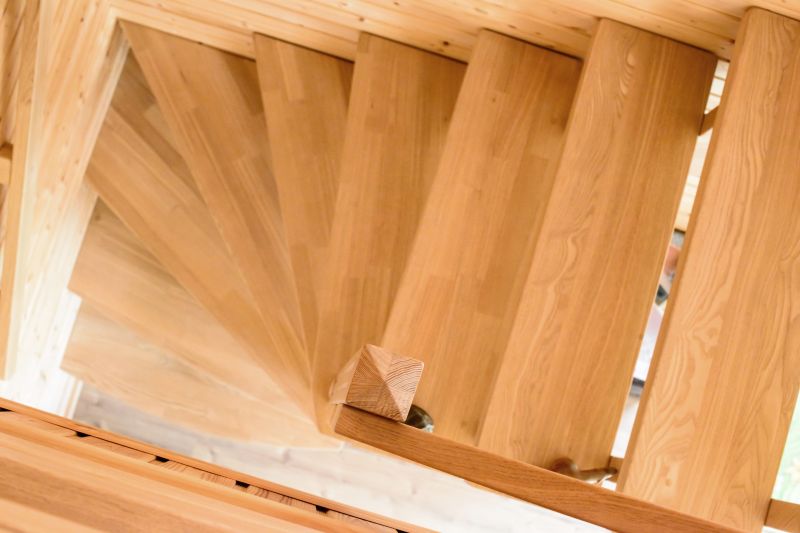 Installing a spiral staircase involves selecting the right components to ensure safety, durability, and aesthetic appeal. The core elements include treads, handrails, central support columns, and mounting hardware. Each component must be carefully chosen to match the space, design preferences, and load requirements. The materials used can range from metal and wood to composite options, each offering different visual and structural qualities. Proper installation is crucial to maintain stability and safety, often requiring precise measurements and secure fittings.
Top Overall Option
Modular Spiral Staircase Components Set
A comprehensive modular set offers versatility for various spiral staircase designs. It typically includes adjustable treads, support columns, handrails, and mounting hardware, allowing customization to fit different space requirements. Made from durable materials such as steel or aluminum, these components are designed for straightforward assembly and long-term stability. This type of product provides a flexible solution suitable for both interior and exterior installations, accommodating a range of aesthetic preferences and structural needs.
Types of Products For Spiral Staircase Installations
Metal Treads
Sturdy metal treads provide durability and a sleek appearance, suitable for modern or industrial styles.
Wooden Treads
Wooden treads add warmth and traditional charm, available in various finishes and styles.
Glass Panels
Glass panels can serve as balustrades or side panels, creating a contemporary and open look.
Support Columns
Central or side support columns provide structural stability and can be decorative or utilitarian.
Handrails
Handrails ensure safety and can be crafted from metal, wood, or composite materials.
Mounting Brackets
Brackets secure treads and support components to the central column or wall, ensuring stability.
Balusters
Vertical balusters provide safety and decorative detail, available in various styles and materials.
Landing Platforms
Platforms or landings facilitate turns and transitions between levels, often customizable in size and material.
Decorative Caps
Caps and finials add finishing touches to support columns and handrails for aesthetic enhancement.
Lighting Fixtures
Integrated lighting can improve visibility and add ambiance to the staircase area.
Popular Choices
Complete kits simplify installation with pre-measured components, suitable for various spaces.
Treads with adjustable features allow customization for different diameters and heights.
Durable handrail systems designed for easy mounting and long-term use.
Clear glass panels create an open and modern aesthetic while maintaining safety.
Robust support columns are essential for structural integrity in spiral staircases.
Add-on covers or coatings enhance safety by providing slip resistance.
Finials add a finishing decorative touch to support columns and handrails.
Specialized brackets facilitate corner or angled installations.
LED lighting integrated into treads or handrails enhances visibility and style.
Flexible support systems allow for custom configurations and easy adjustments.
When planning a spiral staircase, consider the overall dimensions of the space, including the diameter and height. The choice of materials impacts not only the look but also the maintenance and longevity of the staircase. For example, metal components tend to offer strength and modern appeal, while wood can provide a warm, traditional touch. Additionally, lighting options and decorative elements can enhance the visual impact of the staircase, making it a focal point in the home or commercial setting.
Safety features such as non-slip treads, sturdy handrails, and secure anchoring are vital for user safety. Many products are designed with easy installation in mind, featuring pre-drilled holes and modular components. It's important to review weight capacities and compatibility with existing structures to ensure a seamless fit. Whether you are undertaking a DIY project or hiring professionals, selecting high-quality, compatible parts will contribute to a successful installation that meets your aesthetic and functional needs.
Key Buying Considerations
- Assess the available space to determine the appropriate diameter and height of the staircase.
- Choose materials that match your aesthetic preferences and maintenance capabilities.
- Verify weight capacities to ensure the components can support expected loads.
- Consider the ease of installation, especially if undertaking a DIY project.
- Ensure compatibility of all components, including treads, support columns, and handrails.
- Evaluate safety features such as non-slip surfaces and sturdy handrails.
- Decide on the style—modern, traditional, industrial—that complements your environment.
- Check for adjustable or modular options for greater customization.
- Review the quality of mounting hardware to guarantee long-term stability.
- Plan for lighting options to improve visibility and enhance visual appeal.
- Consider future modifications or expansions when selecting components.
- Determine if additional features like glass panels or decorative finials are desired.
- Review installation instructions or seek professional assistance if needed.
- Compare product warranties and customer reviews for reliability insights.
- Estimate budget constraints to balance quality and affordability.